
We believe that prevention is key to keeping your pet healthy and happy
Preventative care - why it's crucial to your pet’s health
We believe that preventative care is one of the biggest factors in helping your pets live a long, healthy life. Annual wellness visits with bloodwork, vaccinations, and monthly preventatives are some of the simplest, and in the long run, least expensive and most important ways to keep your pet(s) healthy. We know that there may be questions that you may have about your pet’s health, we hope that this page is able to answer some of those questions and help to start a conversation. If after reading through this page you would still like more information, you can check out our Pet Owners Resources Page or visit Veterinary Partner; https://veterinarypartner.vin.com for articles about specific diseases or call us for more information we will be happy to answer your questions.
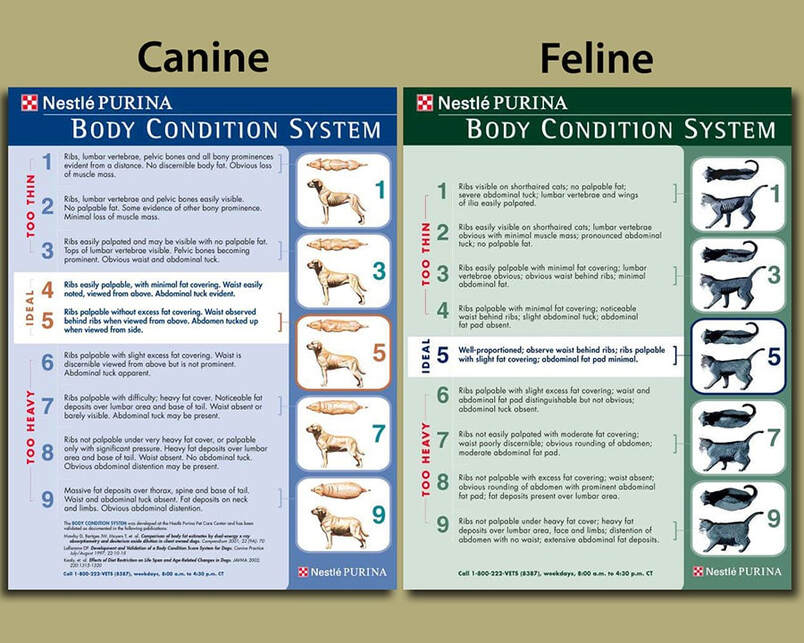
Do you know that research has shown that one of the simplest, and free things, that you can do to add up to TWO years to your pet's life is to keep your pet at a trim weight! See below for a healthy weight chart and see how your pet(s) measure up!
Do you know that research has shown that one of the simplest, and free things, that you can do to add up to TWO years to your pet's life is to keep your pet at a trim weight! See below for a healthy weight chart and see how your pet(s) measure up!

|
|

|
Core VS. Non-core Vaccines
Core vaccines are a collection of vaccinations that due to a disease's severity, prevalence, and/or contagiousness, are considered essential to prevent infection in your pets regardless of their lifestyle. These core vaccinations have high degrees of proven efficacy and safety with incredibly low risks of adverse effects. These vaccines not only protect your pets but also your family.
Non-core vaccinations are vaccines that are given on an as-needed basis depending on your animal's lifestyle.
Non-core vaccinations are vaccines that are given on an as-needed basis depending on your animal's lifestyle.

|
|
At 8 weeks of age or older, kittens and puppies should be starting their vaccinations. Boosters are given every 2-4 weeks until your pet reaches 16-20 weeks of age for the best protection possible. Why so many boosters for those first few months? During your pet’s first days of life, it receives antibodies from its mother’s milk while nursing. These maternal antibodies circulate in a puppy or kitten’s system and can interfere with the full effectiveness of vaccine. These maternal antibodies disappear over time, but this timing varies from animal to animal, so frequent boosters are necessary to protect your pet(s). These boosters stimulate your puppy or kitten’s immune system to take over as these maternal antibodies fade so your animal isn’t left unprotected. After the initial 16-20 weeks, those vaccinations will need to be boostered every 6 to 12 months to ensure their immunity continues. If you have an unvaccinated pet that is older than 16wks, they will still need boosters, just on a different schedule.
|

|
Core vaccinations for dogs include…
- Rabies, a deadly neurological virus, is transmitted through bites and contact with saliva from an infected animal. Since there is no treatment for rabies once an animal, or human, becomes infected the disease is lethal. Because this disease is so dangerous and zoonotic (meaning the disease can be transmitted to humans as well) this is a legally mandated vaccination.
- Distemper is a highly infectious virus that is transmitted from aerosolized droplets so no direct animal to animal contact is necessary for exposure. It can cause a variety of symptoms ranging from fever, respiratory symptoms, gastrointestinal distress, and in severe cases seizures. The virus is carried and transmitted by wildlife such as skunks, foxes, coyotes, and raccoons in addition to dogs.
- Parvovirus is a gastrointestinal virus with symptoms such as vomiting, bloody diarrhea, and inappetence. Parvo is transmitted via contact with infected feces. It is incredibly dangerous and can be deadly in unvaccinated and young and old animals.
- Hepatitis is an infectious virus transmitted through contact with contaminated body fluids like saliva. It can cause symptoms ranging from a fever and congestion to clotting disorders.
- Leptospirosis is an infectious disease caused by bacteria that are present in the urine of infected wild animals such as mice, rats, and chipmunks amongst other rodents. The disease is typically contracted via exposure to infected water or food. Lepto can cause a wide variety of symptoms ranging from mild symptoms such as lethargy and respiratory disease or can be as severe as causing kidney damage and death in unvaccinated animals.
- Lyme is a disease caused by a bacteria transmitted by ticks to both animals and humans alike. Just like in humans, Lyme disease can cause symptoms such as general lethargy, fever, lameness, loss of appetite, and swollen joints.
- Bordetella or Kennel Cough is an upper respiratory infection that is transmitted by aerosolized particles from infected dogs. As the name suggests this infection causes symptoms such as coughing, sneezing, and an inflamed trachea.
- Canine Influenza is a viral infection that is spread by aerosolized particles that are transmitted by infected animals and can be transferred by contaminated objects. Much like Kennel cough some of the symptoms include ocular and nasal discharge, fever, sneezing, lethargy, and in some cases can lead to pneumonia.

|
|
Core vaccinations in cats include…
- Rabies a deadly neurological virus, is transmitted through bites and contact with saliva from an infected animal. Since there is no treatment for rabies once an animal, or human, becomes infected the disease is lethal. Because this disease is so dangerous and zoonotic (meaning the disease can be transmitted to humans as well) this is a legally mandated vaccination.
- Calicivirus is a highly contagious virus that causes respiratory infection and oral disease which can cause symptoms such as conjunctivitis (discharge from the eyes), lethargy, mouth ulcers, sneezing, and in some cases pneumonia.
- Panleukopenia or Feline Distemper is a highly contagious viral disease that is transmitted through aerosolized particles as well as bodily waste from infected animals. This virus can be deadly in young and unvaccinated animals because it weakens the animal’s immune system. Symptoms include fever, lethargy, inappetence, vomiting, diarrhea, and incoordination.
- Viral Rhinotracheitis (Herpes Virus) is an upper respiratory viral infection that can cause symptoms such as coughing, sneezing, fever, ocular and nasal discharge and or oral sores. The infection is transmitted through aerosolized particles and direct contact with an infected animal. Animals with weakened immune systems, such as young or old animals, are the most at risk in addition to those that are not vaccinated. As with human herpes, the herpes virus can persist in infected cats (and dogs).
- Feline Leukemia is a virus that causes, fever, lethargy and chronic anemia and in some cases cancers in affected animals. This virus is spread by direct contact with an infected cat via saliva, such as through cat fights, or urine. This vaccine is recommended for any cats that are going to be outside.

|
|
Fecal testing is another important part of your pet’s annual health testing - even for indoor pets or those that rarely go outside or interact with other animals. Most of the intestinal parasites are spread by the fecal-oral route. This means that you pet picks up these parasites by having contact with or by ingesting infected material. This could happen by contact with infected ground, water, or food or by grooming or hunting. Many pets with intestinal parasites may not show obvious signs, but parasites can still affect your pet's overall health and, in some cases, these parasites can be transmitted to people. Intestinal parasites commonly tested for include roundworms, hookworms, whipworms, tapeworms, Giardia, coccidia and tapeworms. Fecal (stool check) testing uses just a small sample of your pet’s stool to detect these parasites microscopically or more commonly now by detecting fecal antibodies against these parasites. Annual or semi-annual testing is recommended based on your pet’s lifestyle. Routine fecal testing helps ensure parasites are identified and treated early, keeping both pets and family members healthy. Puppies and kittens are especially prone to intestinal parasites as they may pick them up from their mother either while still in the womb or by nursing if their mother was infected. Many heartworm preventatives and some flea and tick combination products help prevent intestinal parasite infections. Not all do or may only prevent against some intestinal parasites but not others. Lapses occur so it is important to have your pet’s stool checked even if they are on preventatives.
You can find the incidence of intestinal parasites in our area by going to https://capcvet.org/maps/#/2025/all-year/giardia/dog/united-states/massachusetts and clicking on the tabs under Giardia for other parasites.
You can find the incidence of intestinal parasites in our area by going to https://capcvet.org/maps/#/2025/all-year/giardia/dog/united-states/massachusetts and clicking on the tabs under Giardia for other parasites.
|

|
Feline Leukemia Virus and Feline Immunodeficiency Virus
Feline Immunodeficiency Virus (FIV) and Feline Leukemia Virus (FeLV) are contagious viral diseases that can weaken a cat’s immune system and lead to serious long-term health problems and can be fatal. These viruses are most commonly spread through close contact with other cats via bite wounds, grooming, or shared food and water bowls. Testing is recommended for all new cats, cats with unknown medical histories, cats that go outdoors, or any cat that has been exposed to another cat. Early testing allows for appropriate monitoring, management, and protection of other pets in the household. Feline leukemia vaccines are highly effective in preventing the disease and should be given to cats that go outdoors, even for a limited time. There is no cure for either disease.
Feline Bartonella
Feline Bartonella (FeBart) is a bacterial infection that is spread by the bite of fleas and is relatively common in cats, especially those with flea exposure or outdoor access. Many infected cats may not show symptoms, but Bartonella can contribute to fever, lethargy, and inflammation, and it can be transmitted to people through scratches or bites and is the cause of Cat Scratch Fever. FeBart can also be the cause of feline acne, heart murmurs, gingivitis and kidney disease among other diseases. FeBart testing is recommended for cats with risk factors, fever of unknown origin, unexplained illness, or in households with immunocompromised individuals. Infected cats can be treated with a course of specific antibiotics to clear the disease.
Feline Immunodeficiency Virus (FIV) and Feline Leukemia Virus (FeLV) are contagious viral diseases that can weaken a cat’s immune system and lead to serious long-term health problems and can be fatal. These viruses are most commonly spread through close contact with other cats via bite wounds, grooming, or shared food and water bowls. Testing is recommended for all new cats, cats with unknown medical histories, cats that go outdoors, or any cat that has been exposed to another cat. Early testing allows for appropriate monitoring, management, and protection of other pets in the household. Feline leukemia vaccines are highly effective in preventing the disease and should be given to cats that go outdoors, even for a limited time. There is no cure for either disease.
Feline Bartonella
Feline Bartonella (FeBart) is a bacterial infection that is spread by the bite of fleas and is relatively common in cats, especially those with flea exposure or outdoor access. Many infected cats may not show symptoms, but Bartonella can contribute to fever, lethargy, and inflammation, and it can be transmitted to people through scratches or bites and is the cause of Cat Scratch Fever. FeBart can also be the cause of feline acne, heart murmurs, gingivitis and kidney disease among other diseases. FeBart testing is recommended for cats with risk factors, fever of unknown origin, unexplained illness, or in households with immunocompromised individuals. Infected cats can be treated with a course of specific antibiotics to clear the disease.
|
|
The Importance of Heartworm and Tick-born Disease Testing and Prevention
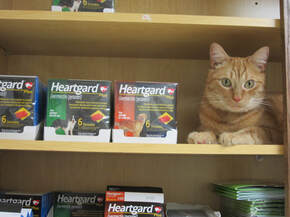
Heartworm disease is caused by a parasite that is passed from an animal to another via an infected mosquito. Heartworm disease is typically a disease of canines – dogs, foxes, coyotes, wolves, etc.- but in high heartworm areas it can also been seen in humans and cats. Your dog does not need to come into contact with an infected animal directly to become infected themselves and just one bite can do it! The larval heartworm form is transmitted by mosquito to your pet and this then molts into adult heartworms that live in the blood vessels of the heart and lungs and cause severe stress and damage to these organs. This can lead to chronic lung changes and severe heart disease and even death. When used properly and consistently heartworm preventatives are HIGHLY effective at preventing this disease. It is significantly cheaper to treat your pet with preventatives, and safer for the animal, than for your pet to undergo costly and harsh heartworm treatment. Even if your animal is on preventatives, it is important to test annually to ensure that there have been no breaks in protection from missed or late doses or doses that may have been vomited up. There have also been some reports recently of heartworms that are drug-resistant to heartworm preventatives. Catching heartworm infections earlier rather than later makes treating heartworm disease more effective and easier on the pet. There are many heartworm preventatives on the market and the majority are given monthly. Common products include Heartgard Plus, Interceptor Plus, Sentinel, Advantage Multi, and Simparica Trio to name just a few of the more common ones. Heartworm disease incidence is on the rise due to movement of people and their pets and climate change. Prescriptions for heartworm preventatives require a current (within the year) heartworm test.
We now have the ability to test for three tick-borne diseases, Lyme disease, Anaplasmosis and Ehrlichia. These tests are usually run in combination with heartworm testing. These blood test for the antibodies your dog produces in response to exposure to Lyme disease, Anaplasmosis, and Ehrlichiosis. These diseases can cause a variety of symptoms in your dogs such as lameness, lethargy, and lack of appetite. Because these tests only test for exposure to these diseases (versus actual disease) diagnosis of these diseases relies on findings of physical exams and symptoms as well as additional test. Use of a good and consistent flea and tick preventative program is highly effective to prevent these diseases. In our area fleas tend to be most active in the hot dry months of summer while ticks are most active during the moister, cooler months of spring and fall. Ticks overwinter in leaf litter and may become active if the weather warms up for a spell and fleas can overwinter in your house so year round tick and flea prevention may need to be considered and environmental treatment may also need to be considered. Depending on your pet’s risk of these diseases will depend on whether your pet needs a product that just kills fleas and ticks or one that also repels them. There are many effective products on the market.
When choosing either a heartworm or a flea and tick preventative it is always important to consult your veterinarian because some products work best for different breeds, lifestyles, age ranges, and some products are safer if your animal has chronic health issues.
You can find the incidence of heartworm and tick-borne diseases. as well as a number of other diseases, in our area by going to https://capcvet.org/maps/#/2025/all-year/heartworm-canine/dog/united-states/massachusetts.
We now have the ability to test for three tick-borne diseases, Lyme disease, Anaplasmosis and Ehrlichia. These tests are usually run in combination with heartworm testing. These blood test for the antibodies your dog produces in response to exposure to Lyme disease, Anaplasmosis, and Ehrlichiosis. These diseases can cause a variety of symptoms in your dogs such as lameness, lethargy, and lack of appetite. Because these tests only test for exposure to these diseases (versus actual disease) diagnosis of these diseases relies on findings of physical exams and symptoms as well as additional test. Use of a good and consistent flea and tick preventative program is highly effective to prevent these diseases. In our area fleas tend to be most active in the hot dry months of summer while ticks are most active during the moister, cooler months of spring and fall. Ticks overwinter in leaf litter and may become active if the weather warms up for a spell and fleas can overwinter in your house so year round tick and flea prevention may need to be considered and environmental treatment may also need to be considered. Depending on your pet’s risk of these diseases will depend on whether your pet needs a product that just kills fleas and ticks or one that also repels them. There are many effective products on the market.
When choosing either a heartworm or a flea and tick preventative it is always important to consult your veterinarian because some products work best for different breeds, lifestyles, age ranges, and some products are safer if your animal has chronic health issues.
You can find the incidence of heartworm and tick-borne diseases. as well as a number of other diseases, in our area by going to https://capcvet.org/maps/#/2025/all-year/heartworm-canine/dog/united-states/massachusetts.
|

|
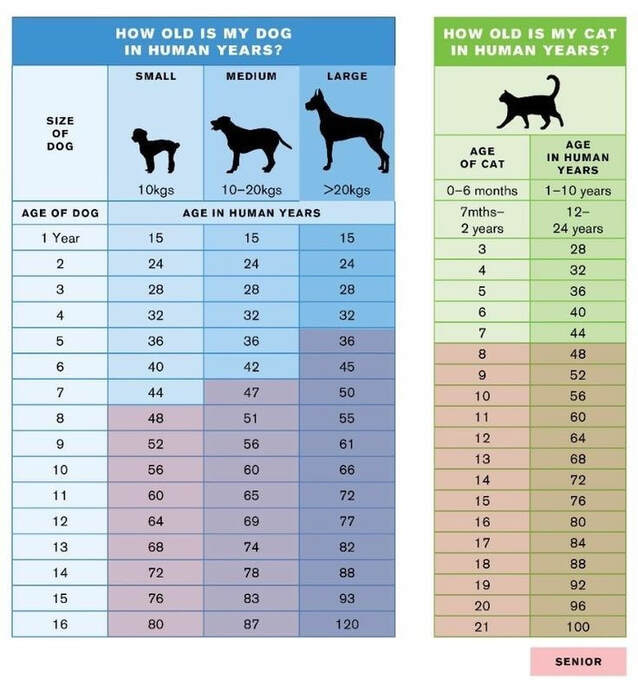
Assessing Your Aging Pet’s Health at Home
When it comes to having a senior pet in your life you may find yourself wondering if the behavior your pet is expressing is just a symptom of old age or something that could indicate a medical issue. There are a few key indicators that you should watch out for that would be signs of a chronic age related issue developing. Is your pet drinking more water than they used to? Are they needing to go outside more frequently? Has your pet rapidly increased or decreased in weight without diet changes? Are they reluctant to go on walks or jump up on the bed? And of course, is your pet sleeping significantly more than they had been previously and reluctant to get up? These are all things that could be indicators that your pet has developed some sort of age related health issue and you should reach out to your veterinarian for an exam and possibly a geriatric screening to check in on organ values and function.
Annual Wellness Screening
Just like humans, as your pet ages they can develop chronic health issues such as kidney disease, diabetes, hyper- or hypo-thyroid disease, and mobility issues such as arthritis as well as other health issues. As your animal ages it is important to consider doing bloodwork at your animal’s annual exams with the goal of catching a problem before symptoms develop and to start treatment early in the disease process. For example, if chronic kidney disease is caught in its early stages, disease progression can typically be slowed with dietary changes and other supportive measures.
The type of bloodwork that is normally run includes a comprehensive chemical profile (Chem Profile) which evaluates different organ systems, such as the kidney and liver, and screens for diabetes; a complete blood count (CBC) which evaluates the red and white blood cells as well as platelets looking for changes that may indicate anemias or infections and hormone level tests for common diseases such as hyperthyroidism in cats and hypothyroidism in dogs. Depending on the results of these tests other specialized testing may need to be performed. If your pet is on medication, such as for arthritis and other age related diseases, it is also very important that periodic bloodwork be run to assess response to treatment as well as to monitor for any side effects of the medication which may indicate a need for a medication change. In order to track trends wellness screening should be performed annually and for the more senior pet semi-annually unless dictaed more frequently due to a disease diagnosis.
The type of bloodwork that is normally run includes a comprehensive chemical profile (Chem Profile) which evaluates different organ systems, such as the kidney and liver, and screens for diabetes; a complete blood count (CBC) which evaluates the red and white blood cells as well as platelets looking for changes that may indicate anemias or infections and hormone level tests for common diseases such as hyperthyroidism in cats and hypothyroidism in dogs. Depending on the results of these tests other specialized testing may need to be performed. If your pet is on medication, such as for arthritis and other age related diseases, it is also very important that periodic bloodwork be run to assess response to treatment as well as to monitor for any side effects of the medication which may indicate a need for a medication change. In order to track trends wellness screening should be performed annually and for the more senior pet semi-annually unless dictaed more frequently due to a disease diagnosis.